Spain’s 2026 Immigration Regularization: Who Qualifies and How to Apply

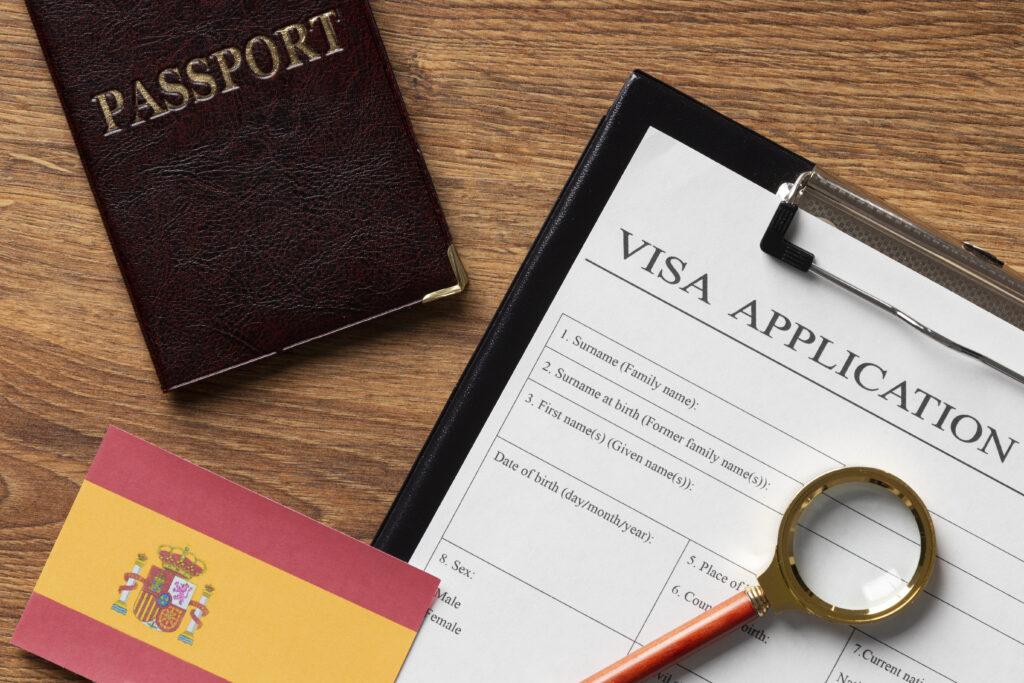
Spain has activated one of its most significant immigration initiatives in years: an extraordinary regularization (regularización extraordinaria) program offering a pathway to legal residence and work rights for hundreds of thousands of undocumented migrants already living and contributing in the country. Approved via Royal Decree 316/2026 on April 14, 2026, and published in the BOE on April 15, this time-limited opportunity addresses long-standing realities of irregular migration while aiming to boost the formal economy, social security contributions, and integration.
With applications open now and a hard deadline of June 30, 2026 (no extensions planned), eligible individuals face a narrow window to secure a one-year renewable residence-and-work permit. Government estimates suggest around 500,000 people could benefit, while independent analysts point to as many as 840,000, a scale comparable to a major city’s population. This marks the seventh such process since 1986.
Why This Matters: Economic and Human Impact
This program is not just administrative paperwork. It formalizes the contributions of workers already filling key roles in agriculture, construction, hospitality, caregiving, and more. By bringing people into the formal system, Spain expects higher tax and social security revenues, reduced shadow economy activity, and better protection for workers and their families. For applicants, it means shifting from vulnerability to stability: legal work, healthcare access, banking, and a clear route toward longer-term residency.
Who Qualifies? Clear and Focused Criteria
Eligibility is straightforward but requires solid proof:
- Presence in Spain before January 1, 2026 (cut-off date).
- At least five months of continuous, uninterrupted residence at the time of application.
- No relevant criminal record in Spain or countries of previous residence in the last five years (and no threat to public order, security, or health).
- Applicants must be adults (or included in a parent’s application for minors). Those with pending or prior international protection (asylum) applications before the cut-off may also qualify under specific rules.
Exclusions typically include people with existing valid permits, active return orders, entry bans, or certain temporary protections.
Proving Residence and Ties
Spain is flexible on documentation. Acceptable evidence includes rental contracts, utility bills, medical records, school enrollments for children, bank statements, remittance records, training certificates, or other dated documents showing your name and presence. No single “official” document is mandatory. Combinations work if they demonstrate continuous stay.
How to Apply: Multiple Accessible Channels
Deadline: June 30, 2026
Online (Recommended, 24/7)
Via the Ministry of Inclusion, Social Security and Migration portal, often through Cl@ve digital ID or Mercurio platform. Applications opened April 16, 2026.
In Person (By Appointment)
From April 20, 2026, at:
- Social Security offices (at least one per province)
- Correos post offices (in major towns/cities and many rural areas)
- Select immigration offices
Through Representatives
Authorized lawyers, social graduates, NGOs, or registered collaborators can submit on your behalf. Free options may be available for those in need.
Processing Timeline
Applications are admitted for processing quickly, often within 15 days, granting provisional work rights and healthcare access. Full decisions aim for within three months. Once approved, applicants must apply for the physical TIE (Tarjeta de Identidad de Extranjero) residency card within one month.
Official Government Resources
- La Moncloa Official Announcement: https://www.lamoncloa.gob.es
- Ministry of Inclusion Portal: https://www.inclusion.gob.es
- BOE Royal Decree Details: https://www.boe.es
Helpful Independent Guides
Life After Approval: Practical Changes
The one-year permit (renewable) includes:
- Legal work authorization and Social Security number (NUSS)
- Immediate healthcare access (asistencia sanitaria) upon admission for processing
- A pathway to longer-term residency through Spain’s standard immigration framework, potentially leading to permanent residency and citizenship
Banking Breakthrough
The TIE makes opening a standard bank account far easier, enabling direct deposits, lower-cost remittances via services like Remitly, and broader financial inclusion. This reduces reliance on costly informal channels.
Banking Resources
- BBVA basic accounts for new residents
- Idealista relocation resources
- Banco de España remittance guidance
Timeline and Tips for Success
Application Window
April 16 to June 30, 2026
Don’t Delay
High application volumes mean early submission is wise. Gather documents now and book appointments promptly.
During Processing
Stay in Spain during the application process, as travel could be treated as abandonment of the application. Keep copies of every document submitted.
After Year One
Explore arraigo or other residency pathways for long-term stability.
FAQs
No official documents?
Private records such as bills, contracts, or medical records can still work if they are dated and clearly identify the applicant.
How long does processing take?
Provisional rights often begin quickly, while full resolution is targeted at around three months.
What if you miss the deadline?
Applicants would likely need to rely on standard immigration routes such as arraigo, which are often stricter and more time-consuming.
This program reflects Spain’s pragmatic approach to migration, balancing humanitarian needs, labor market demands, and social cohesion. If you or someone you know qualifies, act decisively before June 30. Consult official sources or a qualified immigration advisor for personalized guidance, as immigration rules can contain important nuances.


