Work Visas and Permits in the Netherlands(2026)

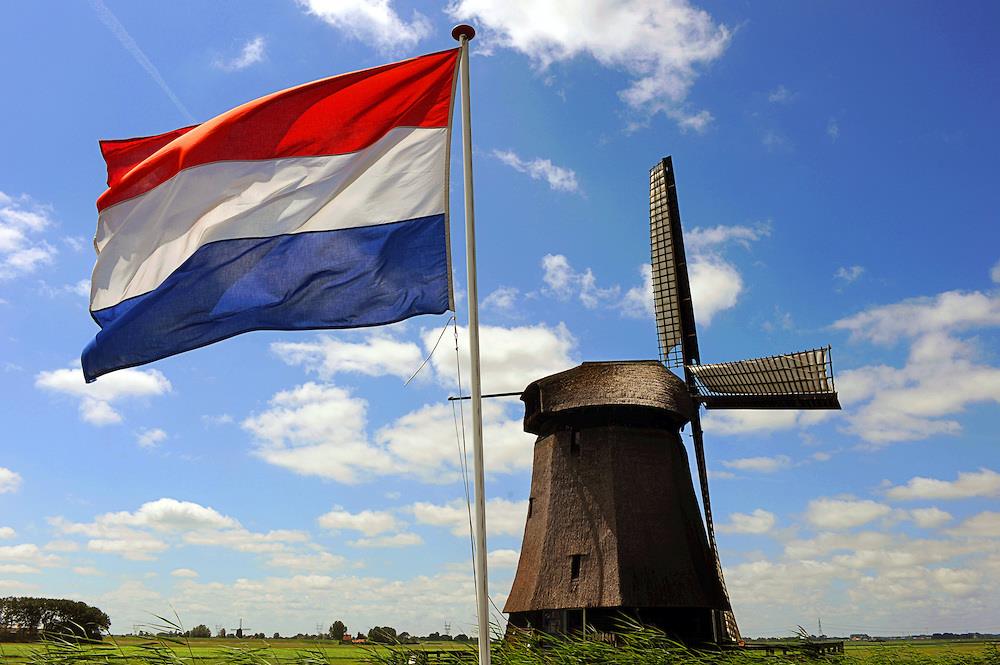
Hiring international talent or relocating employees to the Netherlands demands strict adherence to Dutch immigration and labor regulations. As an employer, you hold primary legal responsibility for confirming that non-EU/EEA/Swiss nationals possess the appropriate work authorization before they commence employment. Violations can result in substantial fines, administrative penalties, or reputational harm to your organization.
This guide outlines the principal work visa and permit pathways, eligibility criteria, key requirements, and application procedures, incorporating the latest 2026 updates from the Immigration and Naturalisation Service (IND).
Who Requires a Work Permit in the Netherlands?
- No permit needed: Dutch nationals, EU/EEA citizens, and Swiss nationals may work freely with a valid passport or national ID card.
- Permit required: Most non-EU/EEA/Swiss nationals need a residence permit (typically combined with work authorization) for employment or stays exceeding 90 days.
- Short stays (under 90 days): These may qualify under Schengen visa rules, but paid employment generally requires specific authorization.
Principal Work Permit and Visa Categories
The Netherlands provides efficient routes for skilled professionals, with the following as the most widely used:
- Highly Skilled Migrant (Kennismigrant) Permit: This streamlined option is designed for highly qualified professionals. Employers must hold recognized sponsor status from the IND to benefit from accelerated processing. Key requirements:
- A job offer from a recognized sponsor. Gross monthly salary (excluding 8% holiday allowance) meeting the 2026 thresholds:
- €5,942 for employees aged 30 and older. €4,357 for those under 30.€3,122 for reduced criteria (e.g., recent graduates or orientation year holders).
- A job offer from a recognized sponsor. Gross monthly salary (excluding 8% holiday allowance) meeting the 2026 thresholds:
- EU Blue Card: An EU-wide permit for highly qualified non-EU professionals, fully valid in the Netherlands. Key requirements:
- A university degree (minimum 3 years) or equivalent professional experience. A binding employment contract for at least 6–12 months (depending on specifics).Gross monthly salary (excluding holiday allowance):
- Standard: €5,942.Reduced for recent graduates: Typically aligned with lower thresholds (around €4,754 or as per IND updates).
- A university degree (minimum 3 years) or equivalent professional experience. A binding employment contract for at least 6–12 months (depending on specifics).Gross monthly salary (excluding holiday allowance):
- Single Permit (GVVA – Gecombineerde Vergunning voor Verblijf en Arbeid): A combined residence and work permit for paid employment exceeding 90 days. Key requirements:
- Employer must demonstrate no suitable EU/EEA candidate is available (via labor market test, including documented recruitment efforts).Compliance with Dutch labor standards (minimum wage, collective labor agreements, etc.).Not applicable for certain groups (e.g., students, seasonal workers, or intra-company transfers in some cases).
- Additional Specialized Options
- TWV (Tewerkstellingsvergunning): A separate work permit for short-term roles (under 90 days) or niche scenarios, applied for via UWV.
- Orientation Year Permit: Allows recent graduates from top universities to search for employment (valid for 1 year).
- Researcher or Intra-Company Transfer (ICT): Tailored routes with distinct eligibility rules.
General Eligibility and Core Requirements
To sponsor most permits successfully:
- Prioritize EU/EEA candidates where a labor market test applies (e.g., GVVA or TWV).
- Offer competitive, market-aligned salary and employment conditions.
- Provide evidence of recruitment efforts when mandated.
Employees must typically supply:
- Valid passport.
- Clean criminal record certificate.
- Comprehensive health insurance.
- Tuberculosis (TB) test (if required based on nationality).
- Proof of suitable accommodation and sufficient financial resources.
Prior residence permit refusals or withdrawals may disqualify future applications.
Long-Stay Entry and MVV Requirements
Many non-EU nationals require an MVV (Machtiging tot Voorlopig Verblijf – Type D entry visa) to enter the Netherlands and collect their residence permit. Certain nationalities and family members are exempt.
- Apply for the MVV and residence permit concurrently through a Dutch embassy or consulate (TEV procedure).
- Processing time: Up to 90 days (often faster for recognized sponsors).
Step-by-Step Application Process
- Identify the optimal permit route based on the role and candidate profile.
- Gather required documents (employment contract, salary details, qualifications, etc.).
- Submit the application:
- Highly Skilled Migrant or EU Blue Card: Recognized sponsor files online via IND portal.
- GVVA: Employer or employee submits via IND.
- Schedule an embassy appointment for MVV (if applicable).
- Pay fees: Approximately €423 for most work-related applications (2026 rates; subject to annual adjustments).
- Await decision: Typically 2–12 weeks.
- Upon arrival: Register with the local municipality and collect the residence permit.
Always consult the official IND website for the most current forms, fees, and requirements.
Why Consider an Employer of Record (EOR)?
Establishing a Dutch legal entity solely for visa sponsorship can be costly and time-consuming. Managing immigration, payroll, taxation, and compliance simultaneously adds further complexity.
An EOR provider serves as the legal employer on your behalf, managing:
- Visa sponsorship and full application support.
- Compliant employment contracts, payroll processing, and benefits administration.
- Ongoing immigration compliance and relocation guidance.
This approach enables rapid, risk-free hiring without the need for a local entity setup.
Ensuring Compliance and Success
The Dutch system effectively balances attracting global talent with safeguarding local labor markets. Rules evolve regularly, so monitor official IND and UWV sources for updates.
By planning strategically whether through recognized sponsorship status or reliable EOR partnerships, you can confidently assemble a diverse, fully compliant international team in one of Europe’s premier innovation and business environments.


